
 India
India UAE (Dubai)
 Australia
 Philippines
 Thailand









 Calendar Management
 Staff Management
 Inventory & Stock Mgt
 Web Mobile App
 Business Dashboard
 Billing & Invoicing
 Multi Branch management
 Integrations
The Pet Industry's Most Underrated Growth Strategy: Community Building

7 mins Read
Apr 06, 2026

Share

Running ads has never been easier
Instagram's boost button exists. Any brand with a budget, personal or commercial, can reach thousands of people tomorrow. You don't need a performance marketer. You don't need a strategy deck. You just need a card on file.
So if everyone can run ads, why do some brands feel like movements and others feel like billboards?
The brands that last aren't the ones with the biggest ad spend. They're the ones that make their audience feel something and keep showing up long after the campaign ends.
From audience to community
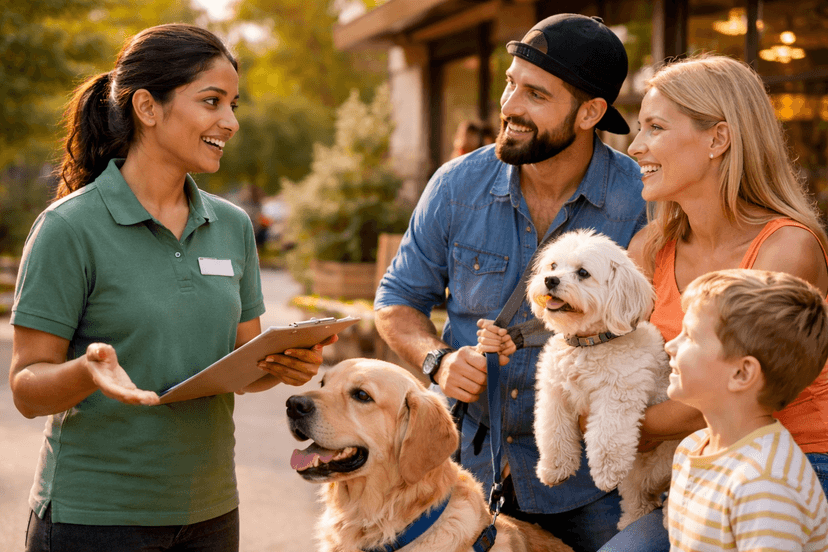
There's a fundamental difference between having an audience and building a community.
- An audience consumes what you put out. A community participates in what you're building.
- An audience follows content. A community creates it alongside you.
- An audience grows with budget. A community grows with trust.
Today's consumers are more informed, more skeptical, and quicker to scroll past anything that feels like marketing. Reach alone doesn't build relationships. It just buys visibility. Community building creates the spaces those relationships actually grow in.
How Happy Pet brought back the old love
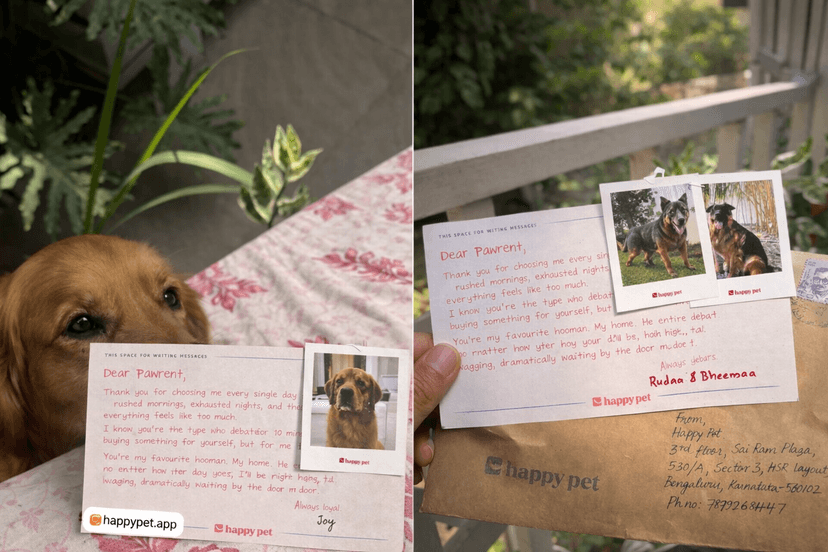
This Valentine's Day, instead of running a standard promotional campaign, we asked ourselves a different question: what do pet parents actually need to feel?
The answer led us to "Bringing Back the Old Love," a campaign built entirely around emotional resonance, not conversion metrics. Two activations. One insight: pet parents don't just love their pets. They often forget to notice how much.
Letters to your pet
Inside the Happy Pet app, we invited pet parents to write a letter to their pet. No prompts, no format, just their words. Pet parents wrote back to us saying it made them stop and realise how deeply they love and appreciate their animals.
Letters from your pet
We sent handwritten letters in the mail, written from the pet's perspective, thanking their pawrent for being the best human. Each letter came with a picture of their pet. The internet filled up with photos of these letters.
Pet parents told us it felt special to receive something in the post again. For our millennial audience, it hit differently. A generation that grew up writing letters, now swimming in notifications, suddenly holding something real in their hands.
"I don't remember the last time I got a letter. Reading it felt like a little moment just for me. Its's now kept permanently on my desk"
Everyone is going digital. But people are quietly craving the opposite: offline moments, tactile experiences, things that slow them down. The brands paying attention to that tension are the ones breaking through.
Know your audience well enough to surprise them
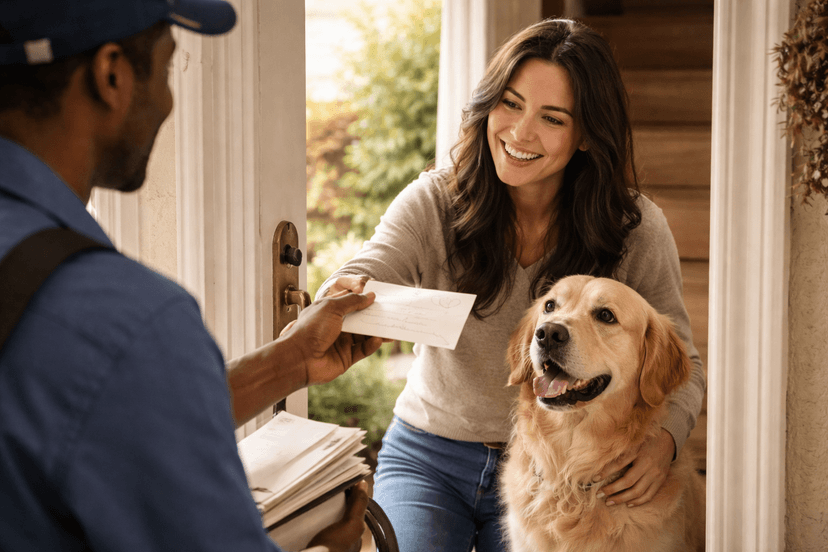
This campaign didn't work because of production value or media spend. It worked because we knew exactly who we were talking to and what they were quietly missing.
- Our audience is millennials with pets they treat like family.
- They live online but carry digital fatigue they don't always name.
- They have nostalgia for analogue experiences: letters, photographs, handwriting.
- They love deeply but rarely stop to articulate it.
When you understand your audience at that level, you stop broadcasting at them and start creating with them. That's the shift from marketing to community building.
Community building isn't a campaign. It's a commitment.
You can't schedule community the way you schedule a content calendar. It requires consistent presence, genuine listening, and a willingness to put the relationship before the sale.
The clearest example of this in the pet world is Chewy.
Chewy: A Masterclass In Community Care
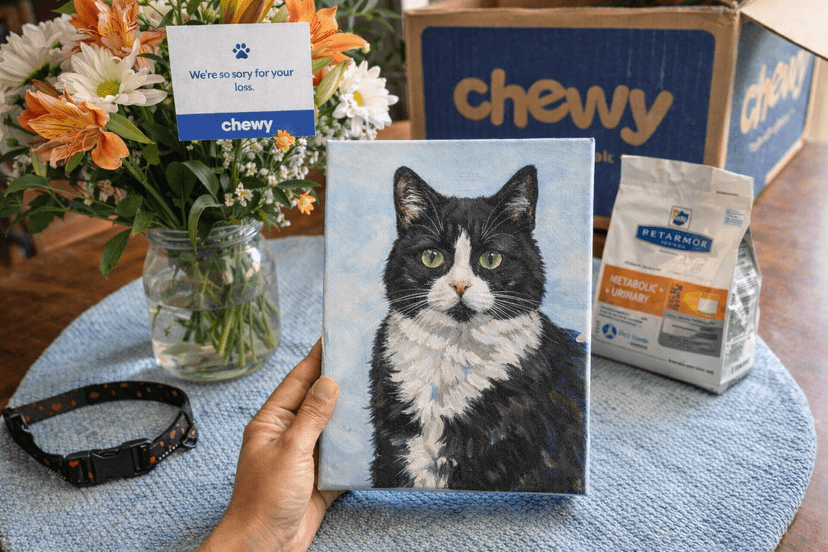
When a customer reaches out to let Chewy know their pet has passed away, the company doesn't send a discount code. They refund unopened food and medication and tell the customer to donate it to a shelter instead of returning it. They send flowers. They send hand-painted portraits of the pet.
No ad campaign could manufacture that kind of loyalty. It's built entirely on one thing: genuinely caring about the people you serve, even when there's nothing left to sell them.
That's what community looks like at its best. A brand that shows up not because there's a transaction on the line, but because the relationship actually matters to them.
In the pet industry, that opportunity is enormous. Pet parents are among the most emotionally invested consumer groups in the world. They don't need to be convinced to care. They already do. What they need are brands that care back.
Conclusion
Running ads gets you visibility. Building community gets you something harder to replicate: a group of people who genuinely root for your brand, share your story, and come back not because of a discount, but because they feel seen.
How to Use WhatsApp to Grow Your Pet Business? (Automation + Templates)
Aug 20, 2026
GST Invoicing for Pet Business: Things You Should Know Before Tax Filing in India (Beginner's Guide)
Aug 08, 2026
Best Pet Grooming Software in 2026: Complete Comparison Guide
Aug 06, 2026

Best Pet Boarding Software in 2026: Complete Comparison Guide
Jul 31, 2026